Taking it all in her stride: Olympic racewalker Jemima Montag’s story
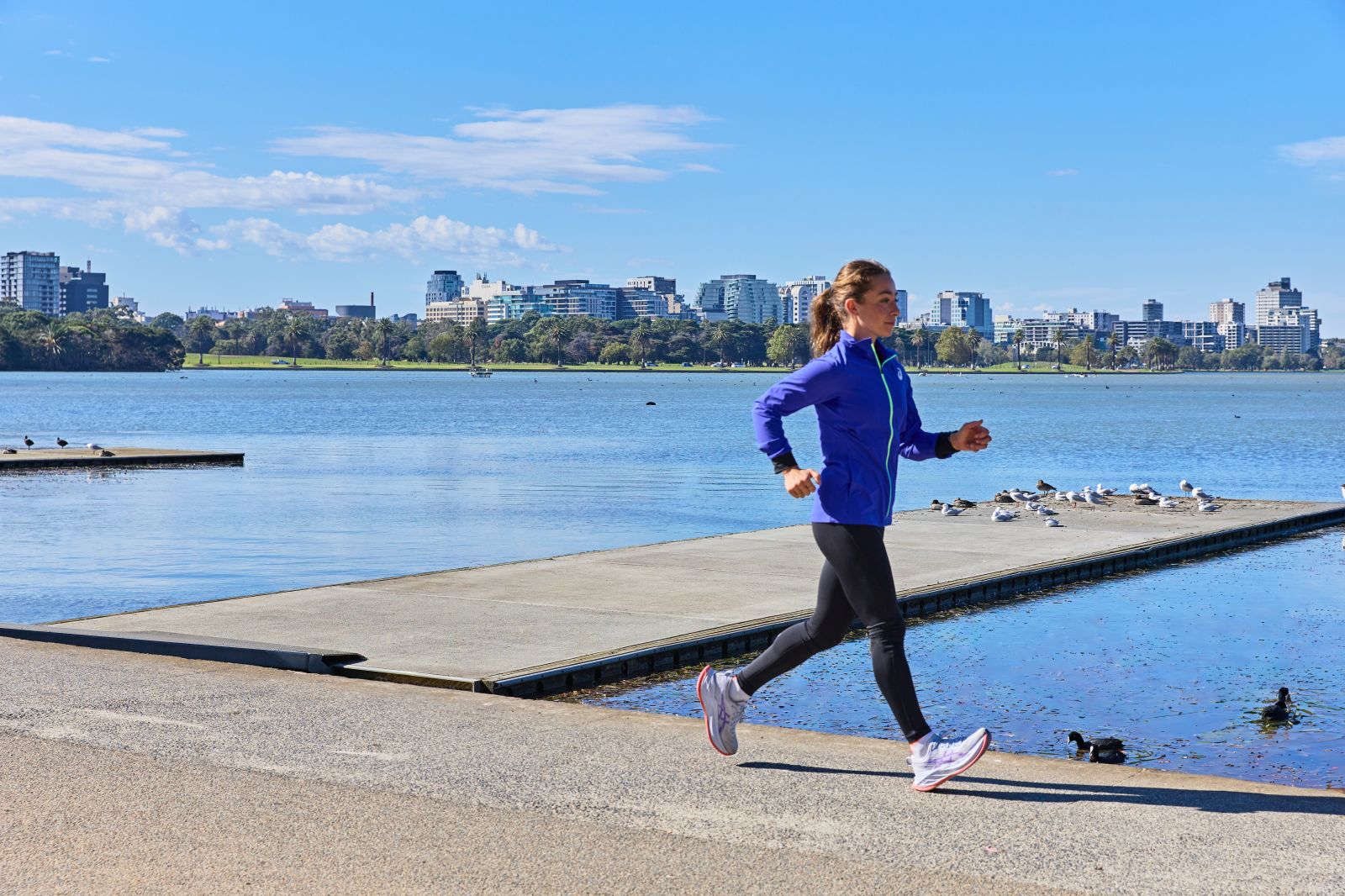
If you’ve spent any time along Beach Road, you may have seen her. Jemima Montag, deep in a training session, moving with focus and precision as the kilometres tick by. Beside her, Jemima’s mum rides along on a bike, carrying her gear and keeping her company. It’s a simple image – but it says everything. Because behind every elite athlete is a story of balance, belief and the people who support them along the way.
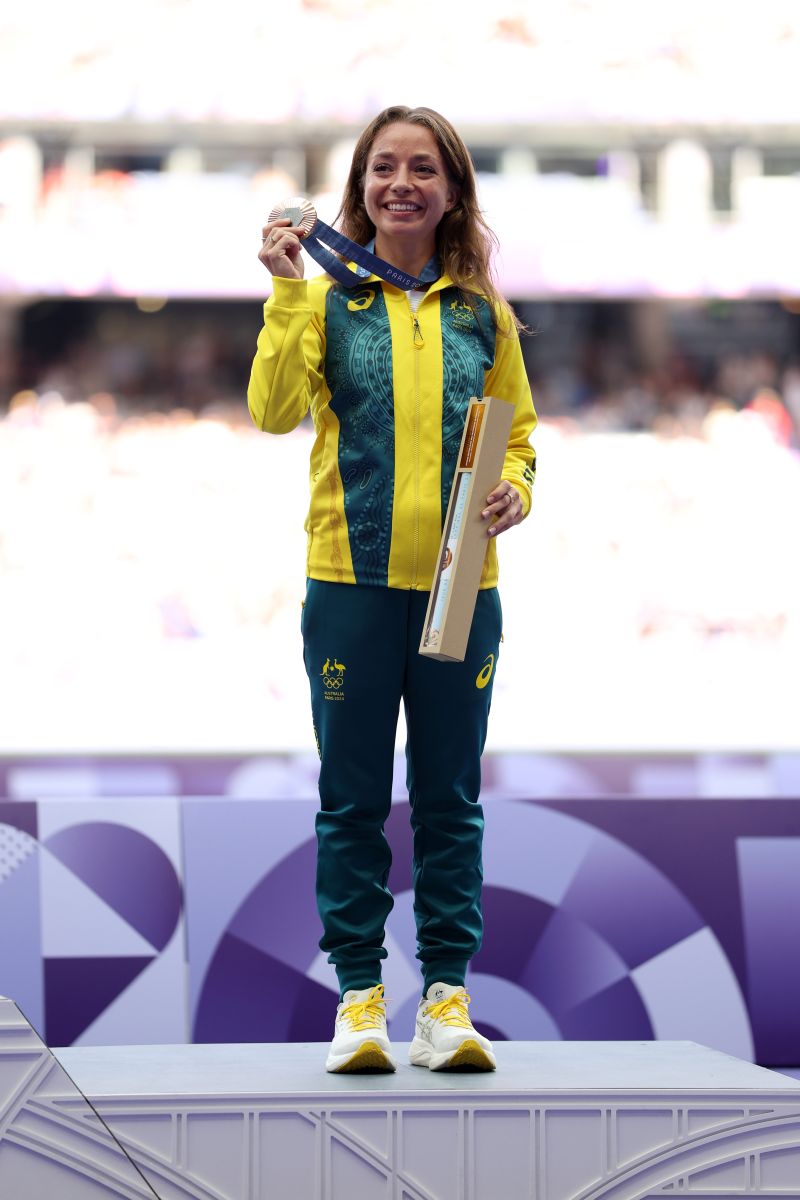
Image: Australian Athletics
Watch the interview:
From Elwood to everywhere
Jemima’s story starts close to home – and stays firmly grounded in it.
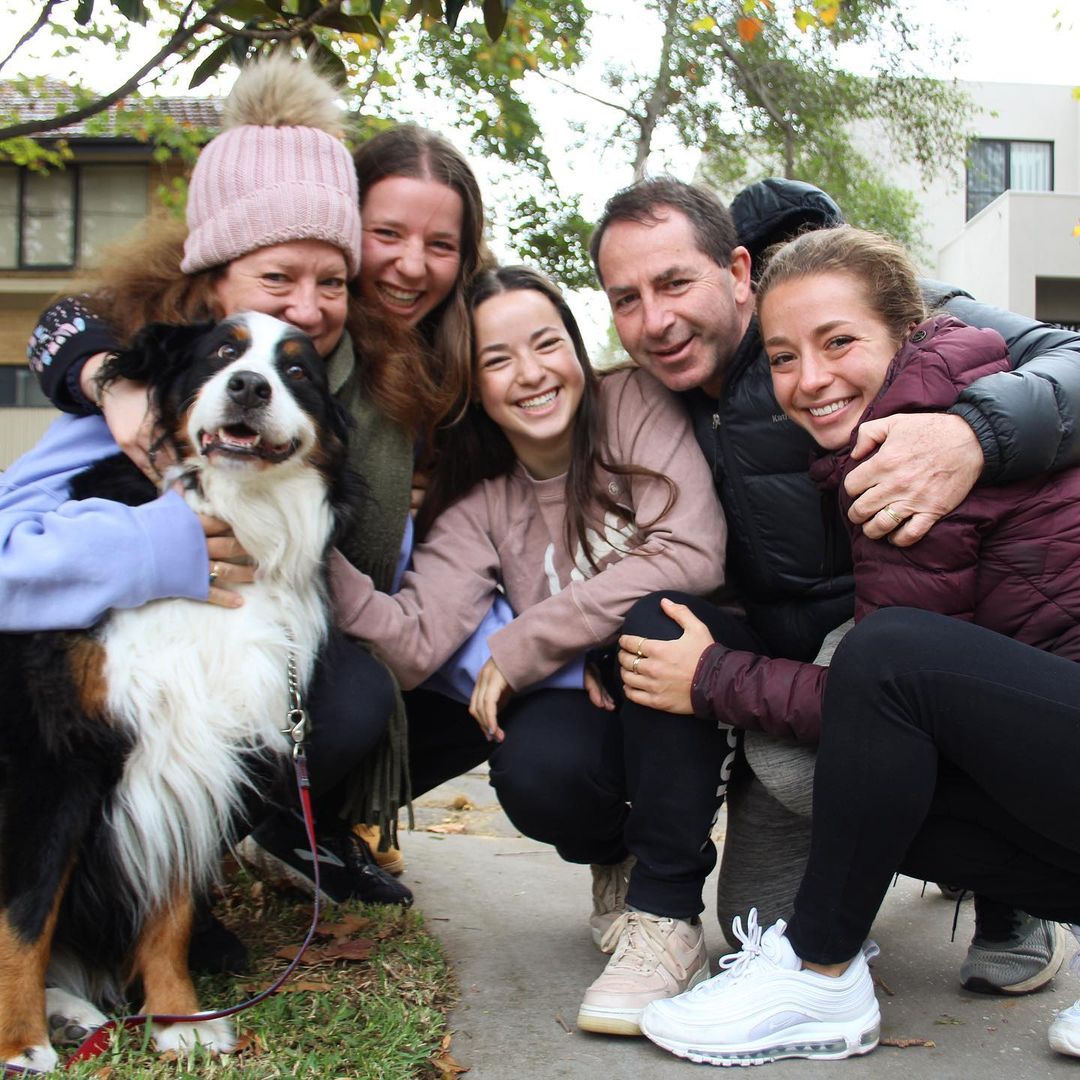
‘I grew up in Elwood as the oldest of three girls,’ she says. ‘We were a pretty sporty family, but we were also encouraged to just have a normal childhood.’
It was a life filled with variety.
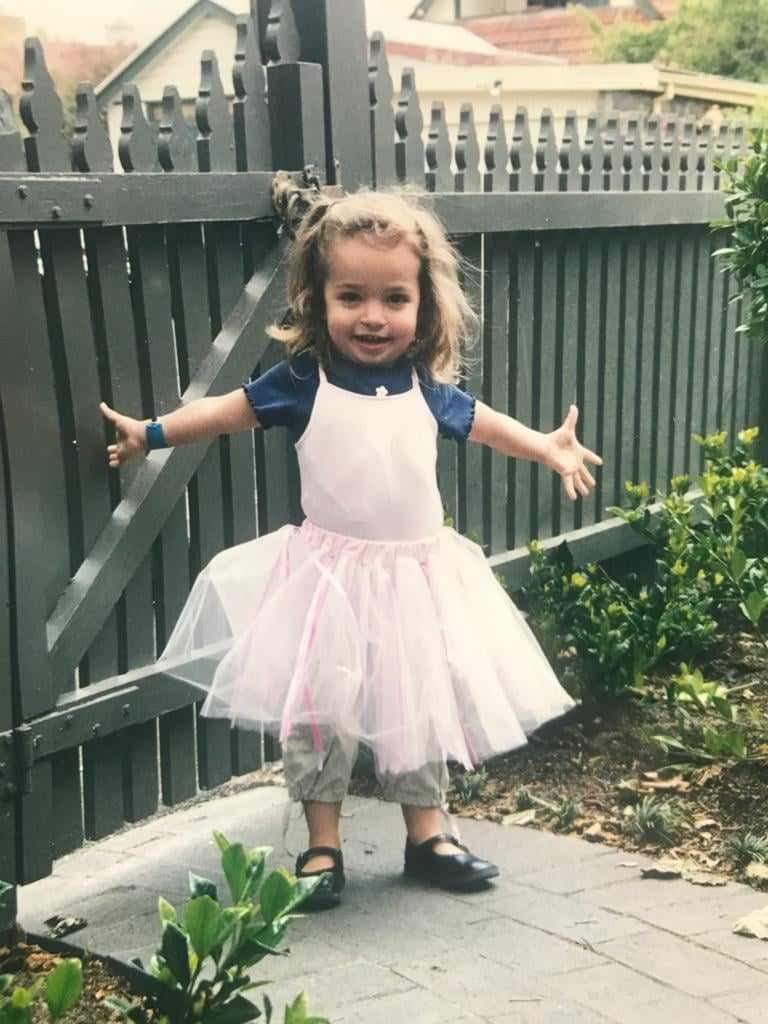
‘I did Little Athletics, but also surf lifesaving, basketball, soccer, ballet… I just gave everything a go,’ she explains. ‘Mum and Dad emphasised the importance of effort, enjoyment and friendship rather than outcomes.’
There was also a deeper sense of perspective shaping that upbringing.
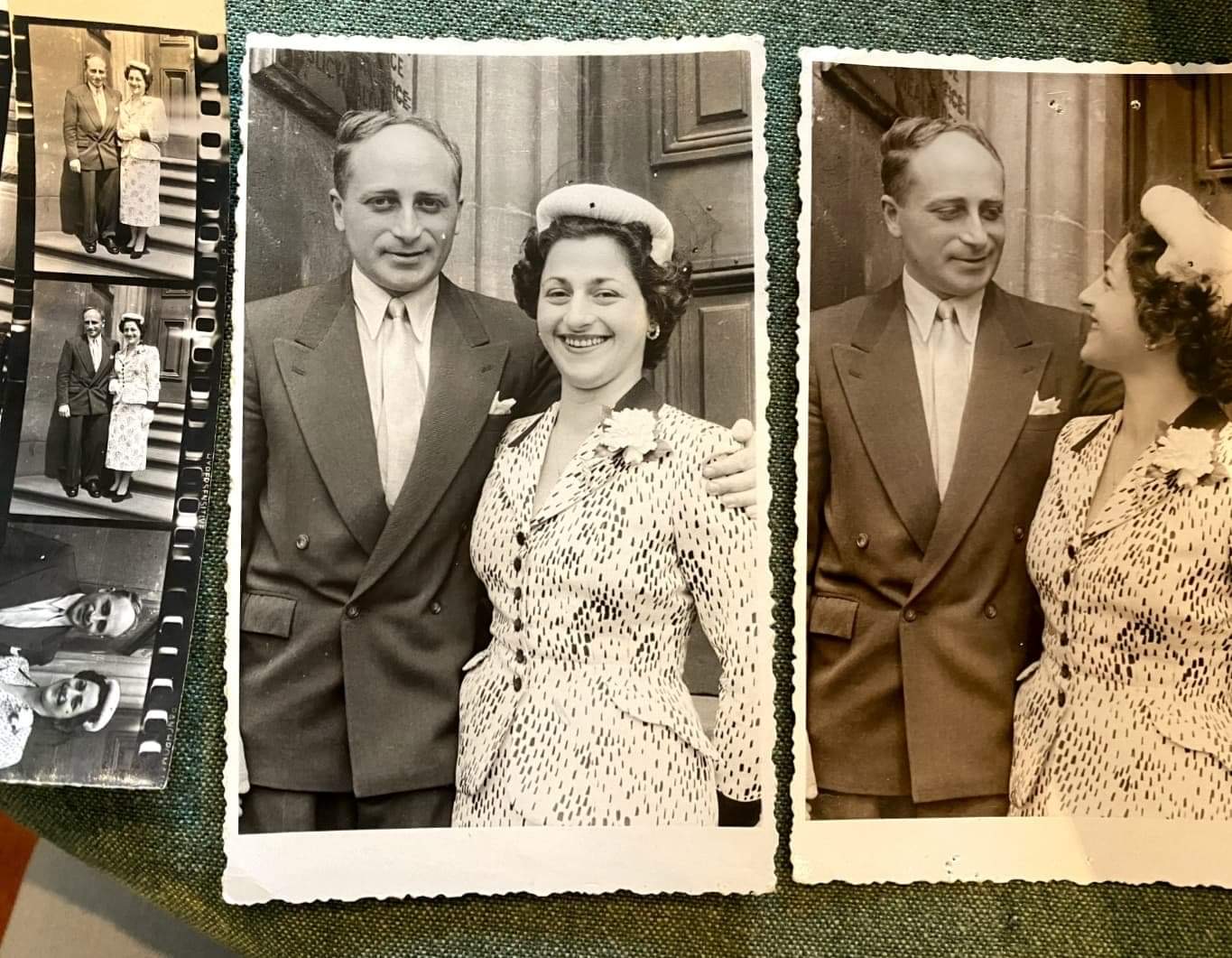
‘My grandparents were Holocaust survivors,’ Jemima says. ‘They endured the unimaginable, and came to Australia to give our family a better life.
‘It makes you want to make the most of every opportunity. To really take life with both hands and give things a go.’
So, for the Montag family, joy always came before the pursuit of greatness – because they know it should never be taken for granted.
Finding her stride
Racewalking began as just another event, but soon became Jemima’s focus.
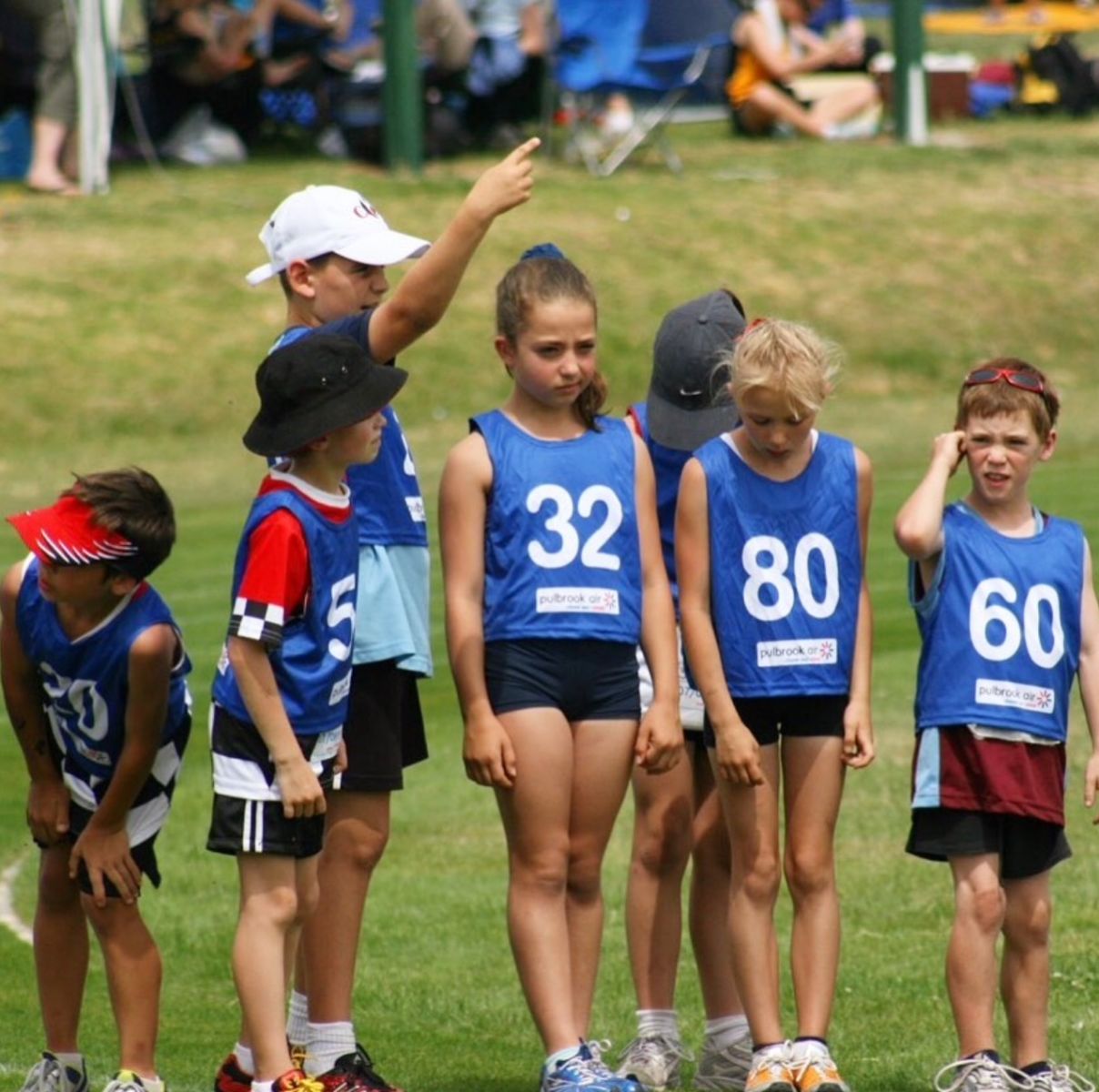
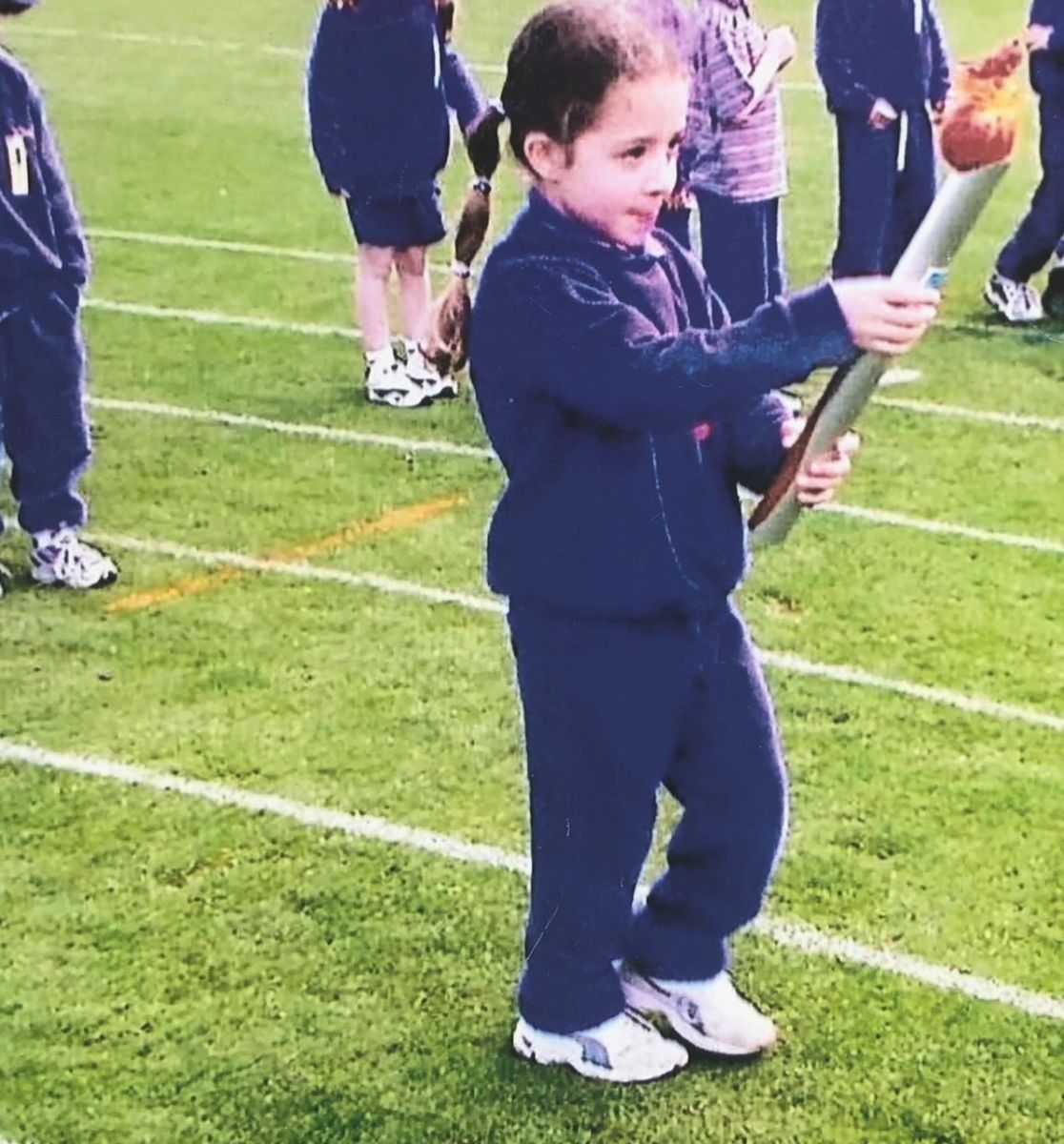
‘I realised pretty quickly I was more of an endurance, long and slow person… less speed or power,’ she laughs. ‘So I gave the walk a go when I was 8 years old.’
And something clicked.
‘It just feels good as a kid to be okay at something, and then win a little ribbon,’ she says. ‘I was hooked.’
Especially when Jemima had no shortage of inspirations to look up to.
‘There’s a strong history of racewalking in Australia,’ she says. ‘Which meant I had role models, and I could see what the path looked like.’
But even then, it almost didn’t happen.
‘When I was nearing the end of high school, I’d thought, maybe I just want to be a normal teenager,’ she admits. ‘Just go to uni, socialise… avoid the uncomfortable sacrifices that are required to make it to the pinnacle of sport.’
It took one conversation to change everything.
‘But then Mum reminded me, this opportunity isn’t afforded to everyone, and I think you have what it takes,’ Jemima recalls. ‘That was the moment that ignited the flame.’
Walking the tightrope
As the stakes grew, so did the juggling act.
‘It has not been a glamorous balance at all,’ Jemima says of combining elite sport with study.
Because Jemima doesn’t take it easy off the track, either. She’s over halfway through a medical degree at the University of Melbourne – and it hasn’t come without sacrifices, or a fair share of imperfect moments.
‘I’ve extended my course by a couple of years for the Olympic Games, and some of my assessments haven’t reflected my best work due to time missed while competing.’
But she’s never seen it as a burden. Because, in many ways, the two worlds strengthen each other.
‘Sport teaches you to perform under pressure,’ she says. ‘Medicine gives you perspective.’
And it’s that perspective that matters most to Jemima when things get tough.
‘You might dread a training session,’ she says. ‘But after learning on hospital wards all day, you realise how lucky you are to be able to train at all.’
The moment it all changed
Then came 2018. The Gold Coast Commonwealth Games. The first real taste of the world stage.
‘I remember feeling so excited to be there,’ Jemima says. ‘To wear the uniform, and to be on the same team with my heroes.’
It was surreal from the outset.
‘I saw Sally Pearson and asked her for a photo,’ she laughs. ‘It was a pinch-me moment.’
And with that excitement came freedom.
‘I was the new kid on the block, so I didn’t face any external pressure,’ she explains. ‘No one expected anything from me.’
Then came the race itself, which was anything but straightforward.
‘It was hot and humid – really challenging conditions,’ Jemima recalls. ‘I was neck and neck with another Australian, and she got disqualified with 2 km to go. It was bittersweet. Because, on the one hand, I was devastated for my teammate. But on the other hand, I went on to win.
‘And from that moment, everything changed.’
.jpeg)
.jpeg)
Image: Australian Athletics
When expectation catches up
Success doesn’t simplify things, contrary to popular belief.
‘My coach says your second medal is always harder than your first. And it’s true,’ Jemima says.
Because suddenly, the narrative shifts.
‘People expect it from you. You expect it from yourself,’ she says. ‘That pressure only builds.’
The environments didn’t get any easier either.
‘My next major competition was the World Athletics Championships in Doha. It was over 30 degrees, so we raced in the coolest part of the day – midnight,’ she recalls. ‘I came 10th, and I was really excited about it.’
Because, as amazing as it was to win the Commonwealth Games, that was just the Commonwealth countries. The World Athletics Championships is the world.
‘The Tokyo Olympics were supposed to come next, but they were delayed by the pandemic,’ Jemima continues. ‘Having dreamt of becoming an Olympian in 2020, I felt heartbroken. I had to reframe it as a bonus year of training, and in the end, that probably helped me.’
Progress came in increments.
Jemima finished 6th at the Tokyo Olympics, then 4th at the Eugene World Athletics Championships. Next came another gold at the Birmingham Commonwealth Games and a silver at the Budapest World Athletics Championships.
And, most recently, two bronze medals at the 2024 Paris Olympics.
‘Those last couple of competitions taught me the power of courage. Especially Budapest,’ Jemima says. ‘Because when the winning move is made with 5 km to go, and you’re already feeling the full effects of fatigue, it’s that willingness to lean into the unknown that creates incredible performances.’
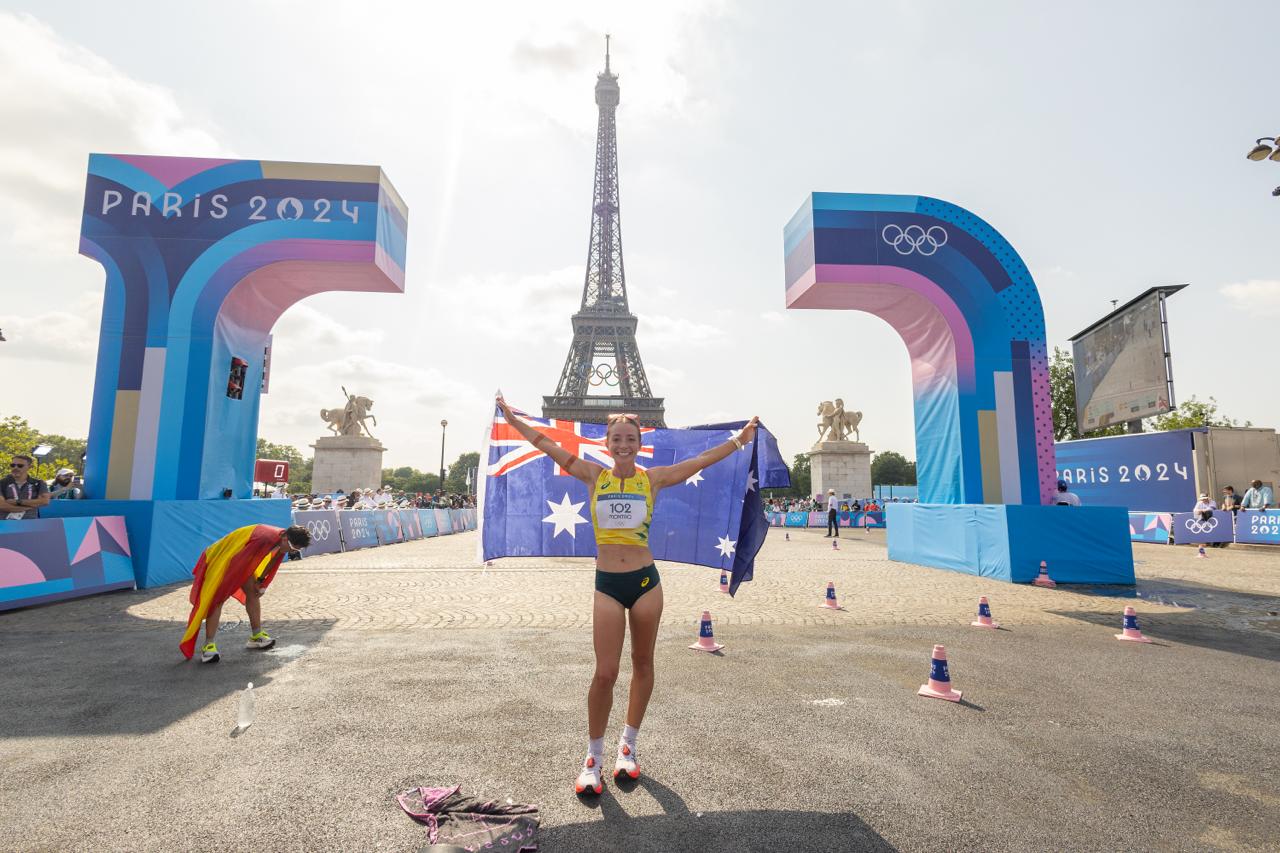
Image: Australian Athletics
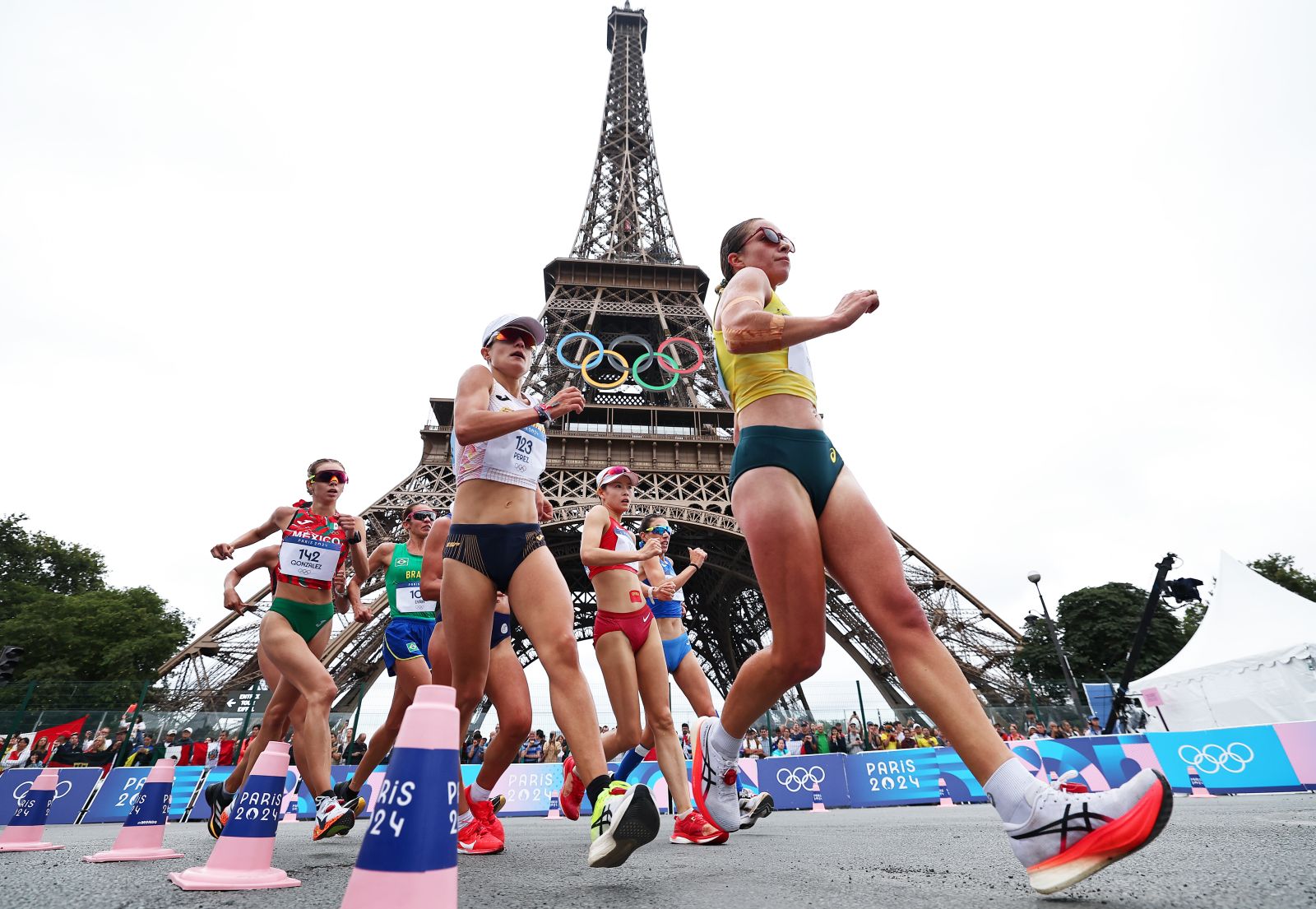
Image: Australian Athletics
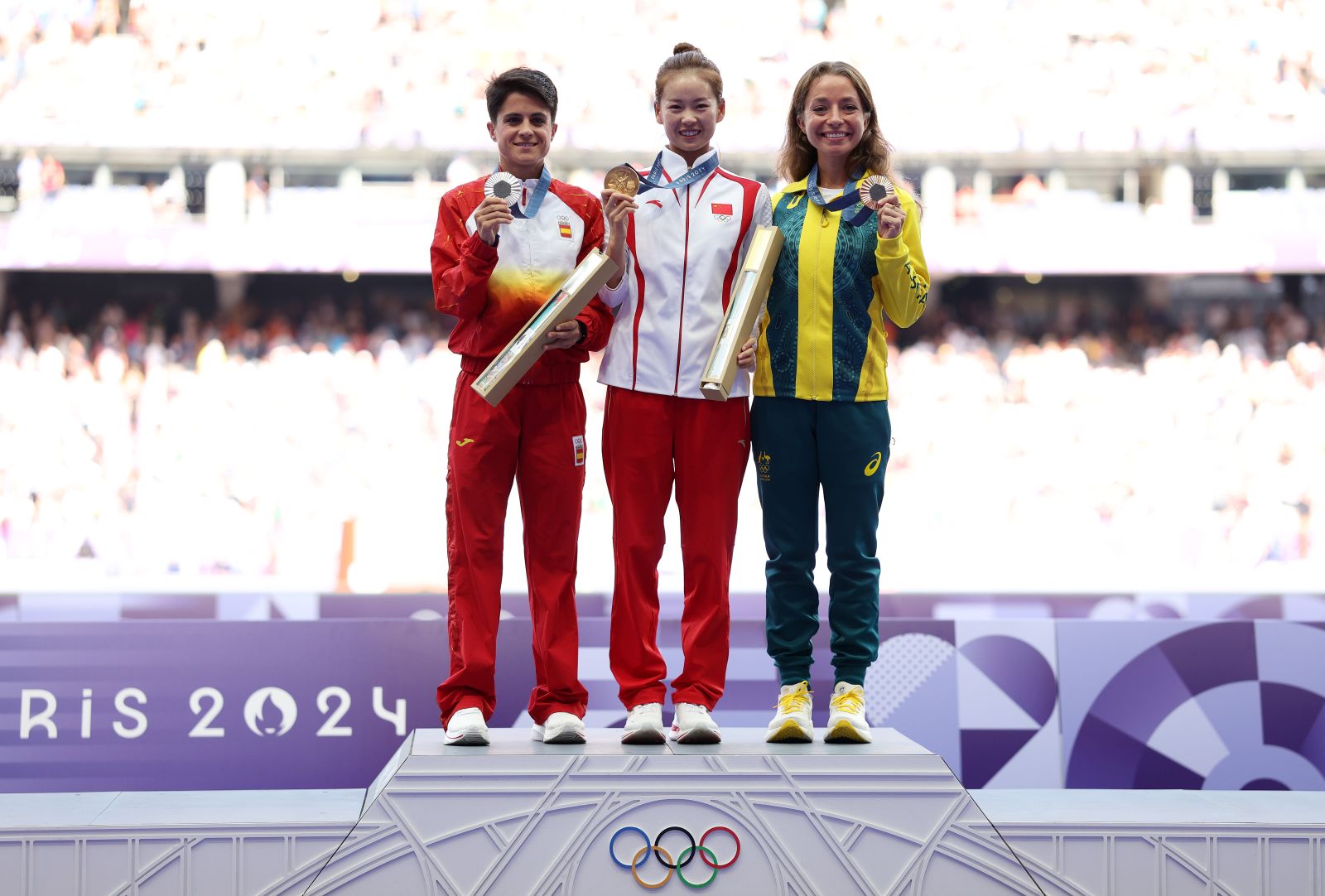
Image: Australian Athletics
Why girls should play on
Somewhere along the way, Jemima stopped measuring success in medals.
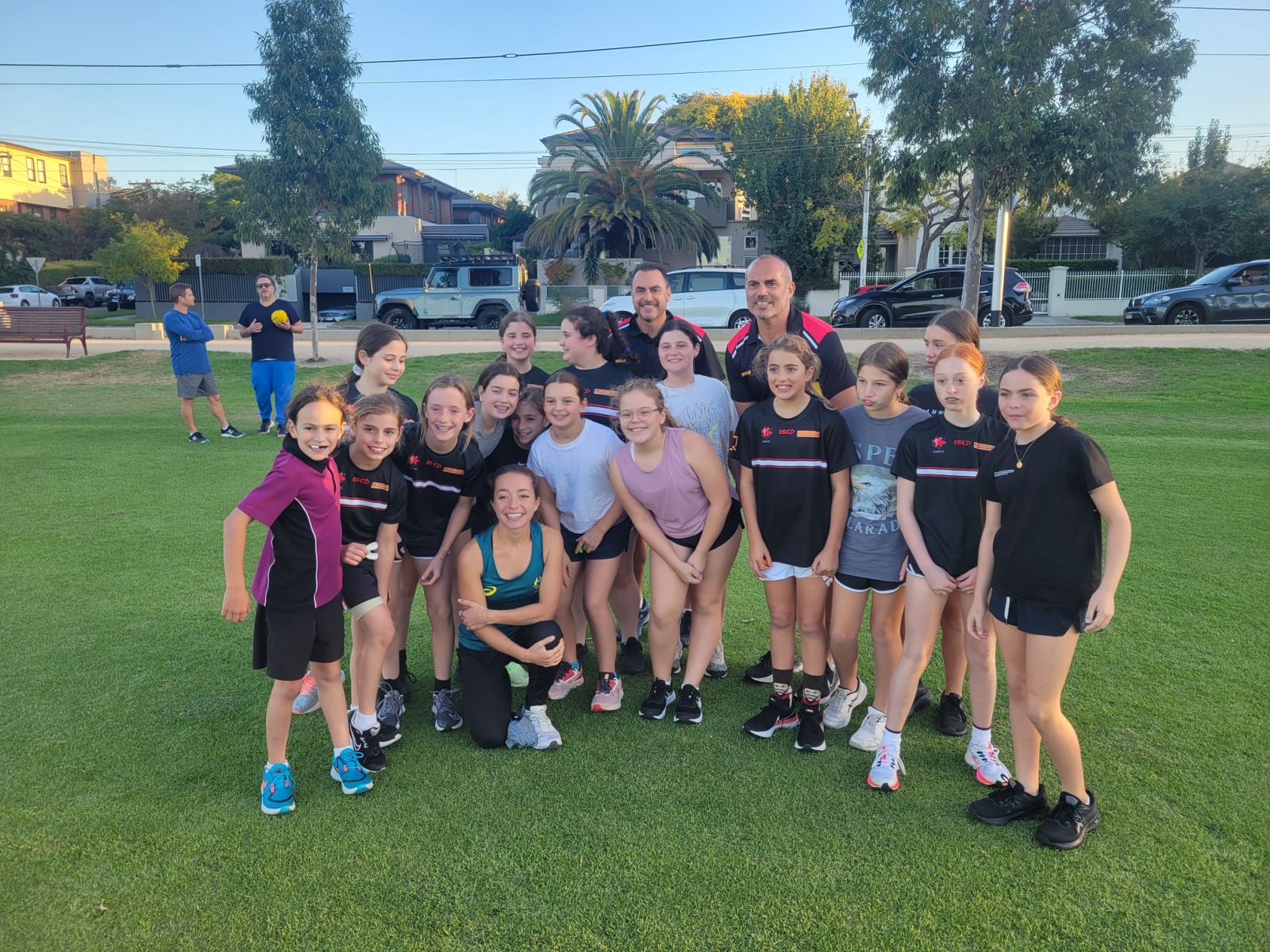
‘I was thinking a lot about how there’s a big drop off in girls staying in sport,’ she says. ‘Especially in those same teenage years that I considered giving it up.’
So she decided to do something about it.
‘In partnership with the International Olympic Committee’s Young Leaders program, I launched Play On to give girls the tools to stay involved in sport,’ she explains. ‘Not to create Olympians, just to keep them active.’
Because the benefits go far beyond sport. Confidence, discipline, self-awareness – these skills can shape who you are.
‘A lot of this comes back to identity,’ Jemima says. ‘And it’s so important to diversify your identity. It can’t just be sport or study – it needs to be broader. That’s what allows you to stand on the starting line or on a stage or in a meeting room at work wanting a great result, rather than needing one.’
Which is a mindset Jemima’s worked hard to build.
‘I know at the end of the day, I’m still a great sister, daughter, wife, friend… and I can put on a great dinner party,’ she smiles. ‘I have all of these other interests that make me who I am. No one thing defines my self-worth.’
Eyes forward, feet moving
Even now, motivation isn’t guaranteed.
‘There are so many mornings when I don’t feel like training,’ Jemima admits. ‘Bad weather, long days, residual fatigue… it happens.’
So she doesn’t rely on it.
‘I come back to discipline. Routine carries you.’
Identity, a common theme in her life, plays a part, too.
‘James Clear, author of Atomic Habits, taught me that true behaviour change is really identity change. Shift your perspective, and actions naturally follow. And then, outcomes,’ she explains.
Looking ahead, there’s still plenty on the horizon.
‘The upcoming Commonwealth Games and the LA 2028 Olympic Games are exciting,’ she says. ‘But I’m also thinking about life beyond sport.’
Medicine is one of those paths.
‘I’m in my final years, figuring out where I belong,’ she says. ‘Public health really interests me.’
But no matter what comes next, the mindset stays the same: say yes to every opportunity, and be willing to have a crack.
Loved hearing Jemima’s story? Head to The Peer Blog to discover more inspiring people shaping our community.
Cover: Image: Australian Athletics