Find your place: How to choose a southeast suburb that feels like home
It’s easy to fall in love with a home – the kitchen, the floorplan, the natural light. But it’s the suburb you choose that will shape your lifestyle long after the excitement of moving day fades. That’s why it’s so important to ask yourself one simple question: Does this suburb fit the way I want to live? What matters most will look different for everyone, but most find their decision comes back to a few key priorities.
If schools are high on your list
For many, this is where the search starts – and for good reason.
School zones shape demand, resale value and who you’re living alongside. Some zones carry serious weight in the southeast, and many will compete hard to get into them.
But it’s not just about education.
The school run. The catchment boundaries. How tightly held the area is. It all feeds into your decision.
We often see people compromise on the home itself – size, layout, even condition – just to secure the right school zone. And in many cases, it pays off.
Ask yourself:
- Are you in-zone for your preferred school?
- How competitive or tightly held is that zone?
- How easy is the school run? And what is the traffic like during pick-up and drop-off?
- Are there multiple schooling options nearby?
- Could zoning changes affect you in the future?
Suburbs to look at:
McKinnon, Bentleigh and Caulfield North.
.jpg)
If your lifestyle matters just as much as your location
Most suburbs in the southeast will cover the basics. But not all of them will shape your lifestyle in the same way.
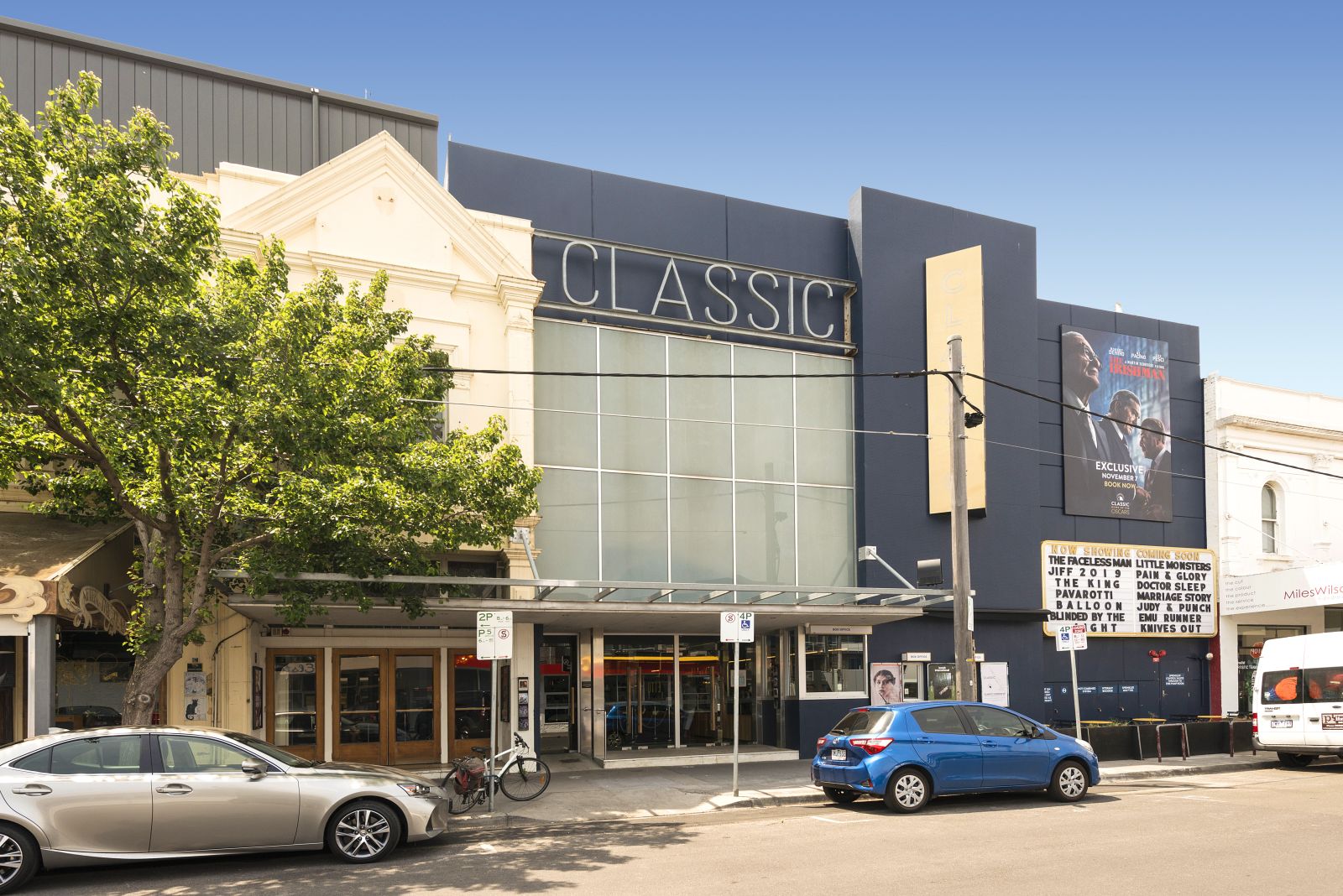
Are you really happy to travel to a decent café? A buzzing park? Cozy cinema? Your favourite cuisine?
If the answer is yes, then you’re an easy customer. But, typically, we find that most people value proximity to amenities and entertainment hotspots more than they realise.
Ask yourself:
- Are there cafes, restaurants and bars you’d actually return to?
- How close are the gyms, studios or wellness spaces you’d use?
- Is there a local shopping strip – and does it feel active?
- Are there lifestyle perks (cinemas, markets, etc.) nearby?
- Does the suburb feel like somewhere you’d thrive in – not just live?
Suburbs to look at:
Elwood, Brighton and St Kilda.

If your commute can make or break your day
A suburb can tick every box, but if it takes you over an hour to get to and from work every day, you may decide it’s not for you.
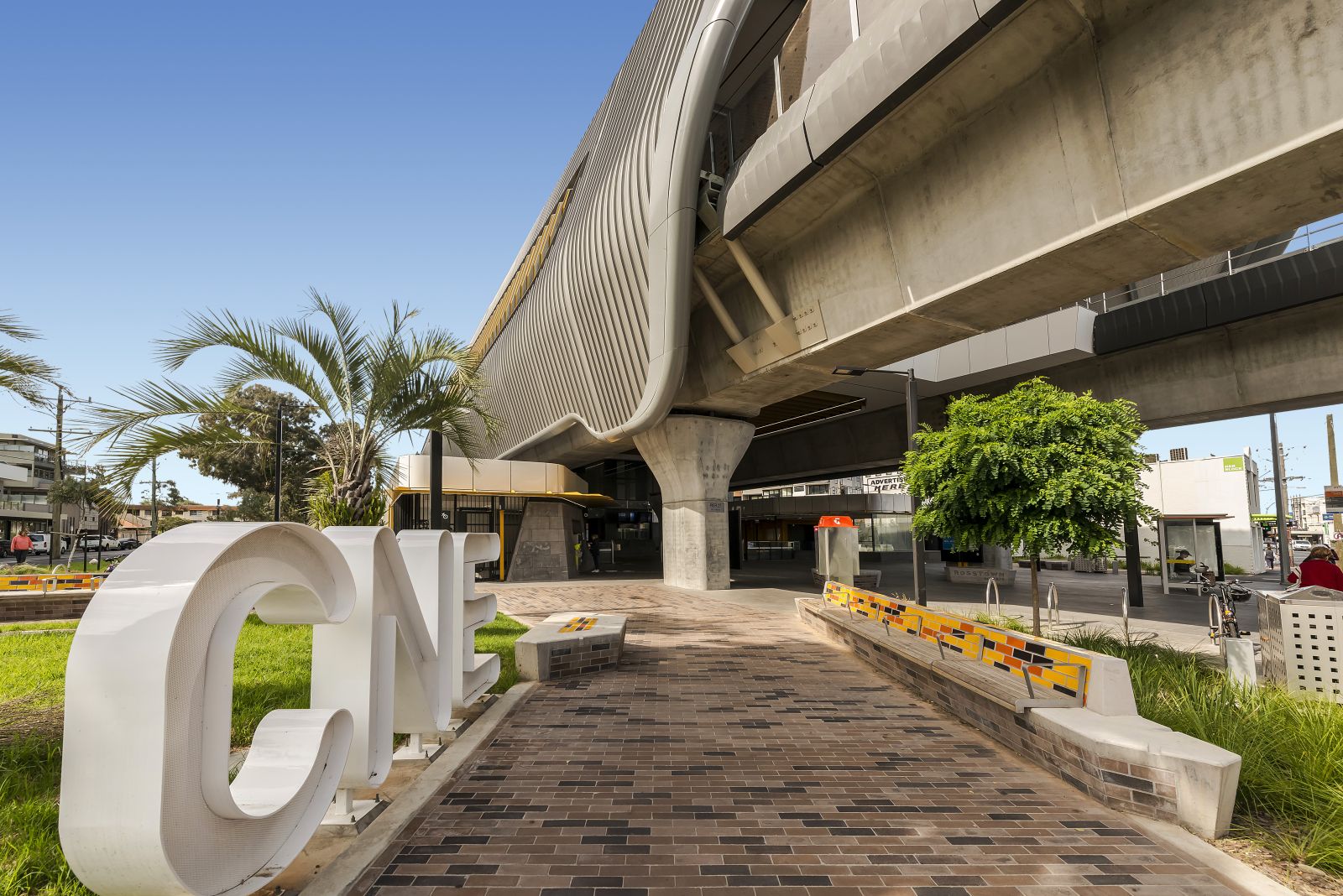
If you’re CBD-bound, being near a reliable train line can turn a stressful commute into something far more manageable. If you’re driving, quick access to main roads or freeways can be the difference between a smooth run and a daily grind.
And then there’s the part people often underestimate – how close is everything on foot?
The station being 500 metres away rather than 5 kilometres will make a big difference at 7.30 am on a Monday morning.
Ask yourself:
- What’s the commute time during peak hour?
- How often do public transport services run when you need to use them?
- Is the walk to transport easy, safe and well-lit?
- Are there multiple transport options (different train lines, tram stops, etc.)?
- If driving, how quickly can you access main roads?
Suburbs to look at:
Caulfield, Carnegie and Oakleigh.
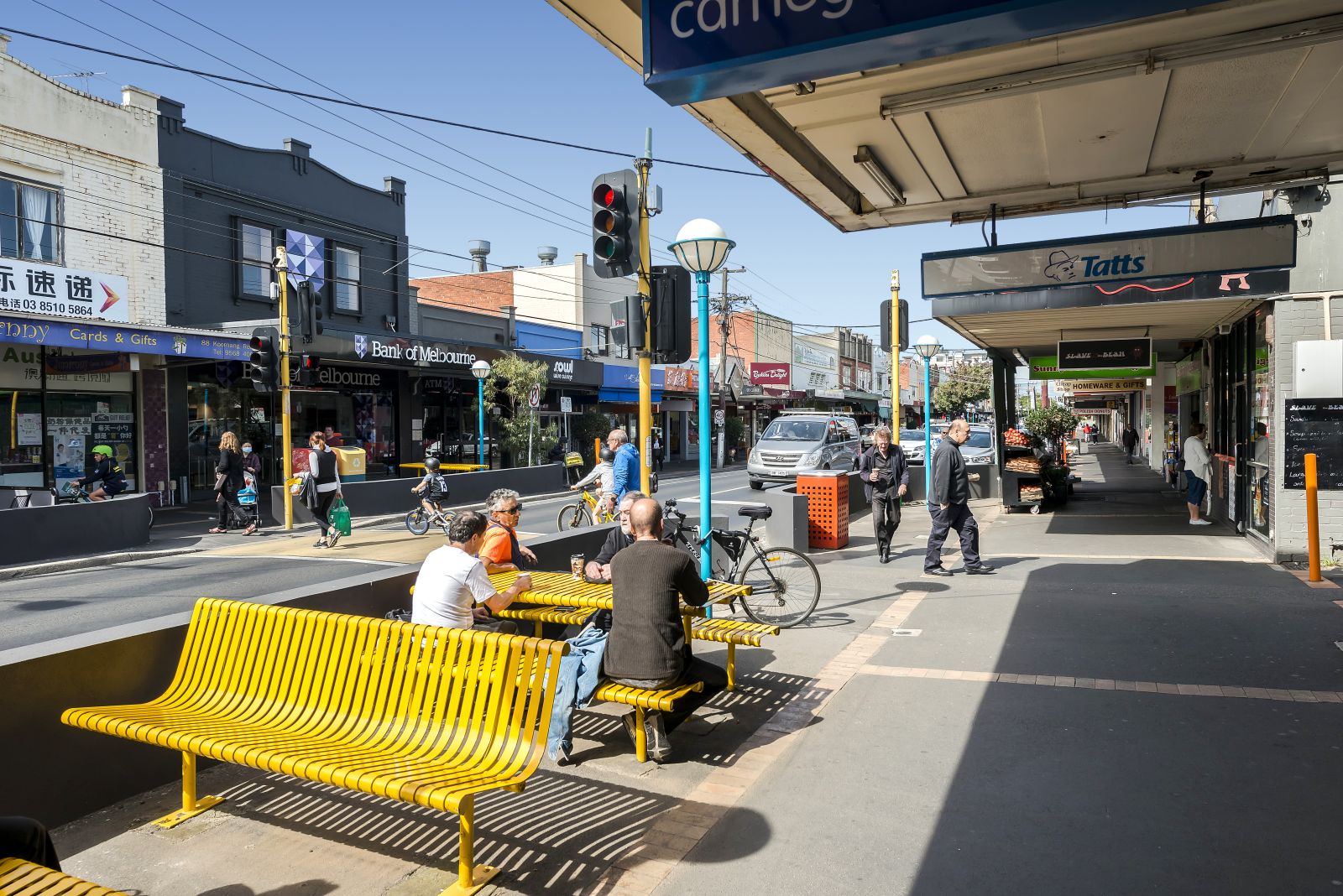
If you want space to breathe and unwind
Some suburbs just feel calmer. And while that’s hard to quantify, it plays a big role in how you live.
Access to parks and green spaces can become part of your routine without you even realising it. Think of your morning walks, what you do in your weekend downtime, where you go when you need somewhere to reset.
In a city like Melbourne, those spaces matter. And they’re often the thing people appreciate the most after they’ve moved in.
Ask yourself:
- How close is your nearest park, playground or reserve?
- Is it somewhere you’d actually spend time?
- Are there multiple green spaces nearby?
- Does the suburb feel open or built-up?
- Are the streets themselves walkable and leafy?
Suburbs to look at:
South Yarra, Elsternwick and Glen Huntly.
If you want a home that grows with you
We hate to break it to you, but suburbs evolve. Especially in Melbourne’s southeast.
New infrastructure. Updated shopping precincts. Changing housing mixes. All of it shapes how an area feels – and performs – over time.
So the best decision to take into account, is where the suburb is now, as well as where it’s heading.
Ask yourself:
- What are the plans for future development and infrastructure?
- Is the suburb still growing, or is it already fully established?
- Will your needs change in the coming years?
- Is there consistent demand in the area?
- Does the suburb offer flexibility in housing and lifestyle?
Suburbs to look at:
Moorabbin, Bentleigh East and Carnegie.
If staying close to your people is non-negotiable
This is the factor that rarely shows up on a checklist, but often drives the final decision. Because where you live affects who you see, and how often.
Moving further away might get you more space, or a different type of home – but it can also shift those relationships. And for many, that trade-off isn’t worth it.
We see it all the time: Choosing familiarity over features, just to stay connected to the people and places that matter most.
Ask yourself:
- Who do you rely on regularly?
- How close do you need your loved ones to be?
- How often do you realistically want to see them?
- Would moving change those dynamics?
- Does the suburb feel like part of your existing world?
Suburbs to look at:
You tell us! Wherever your people are in Melbourne’s southeast, we can help you find your place there.