The unwelcome housemates: Spotting pest problems before they settle in
As far as multi-legged companions go, your home should only be welcoming to pets. Pests, on the other hand, are another story. While the occasional spider or trail of ants isn’t always cause for concern, it’s best to act early to avoid any rodent-fuelled trauma down the track. So, without further ado, here’s our guide to proactive pest control. Proven to protect your property – and peace of mind – from any uninvited guests (of the non-human variety, that is).
Meet the usual suspects
Every home is likely to encounter a pest problem from time to time.
Ants are often the first to appear, especially when food is left out. Cockroaches are drawn to moisture and crumbs, making kitchens, laundries and the occasional bathroom their haunts of choice.
Rodents look for shelter in roof spaces, garages and wall cavities. Spiders are common across Melbourne and, while most are harmless, a sudden increase in webs can signal an underlying insect problem.
Then there are the termites.
Unlike other household pests, termites often remain hidden while causing extensive structural damage behind walls, beneath floors or inside timber framing. They’re one of the biggest reasons regular property inspections are worth the investment.
Their favourite times of year
Knowing which pests to watch out for is, unfortunately, only half the battle. The other half is knowing when they’re most likely to appear.
During spring and summer, warmer temperatures encourage ants, flies, mosquitoes and cockroaches to become more active. So, even though open windows and backyard entertaining are some of summer’s best perks, proceed with caution. They also create opportunities for pests to wander inside.
As temperatures drop, rodents begin searching for warm, sheltered places to nest. Anywhere they can get snug as a bug (or rodent) in a rug could become their new place to call home.
Spring brings increased termite activity, which makes winter an ideal time to organise a termite inspection.
Understanding these seasonal patterns makes it easier to stay one step ahead. A little preparation before the weather changes is often more effective than reacting once pests have settled in.
Spot the signs before they spread
Pests rarely announce themselves. It’s one of the many faux pas they make during their time as a guest in your home.
But, you might notice tiny droppings in cupboards, gnaw marks on food packaging or skirting boards, or scratching sounds coming from the ceiling after dark. All tell-tale signs that either an extermination or exorcism may be in order.
Fine sawdust near timber, discarded insect wings, hollow-sounding timber or mud-like tubes along walls can all point to termite activity. Even an unusual musty smell may indicate pests have made themselves at home.
The key is to act early.
If you’re preparing your home for sale, addressing pest issues before your property hits the market can help avoid surprises during building inspections. Likewise, buyers should keep an eye out for these signs during open homes or pre-purchase inspections.
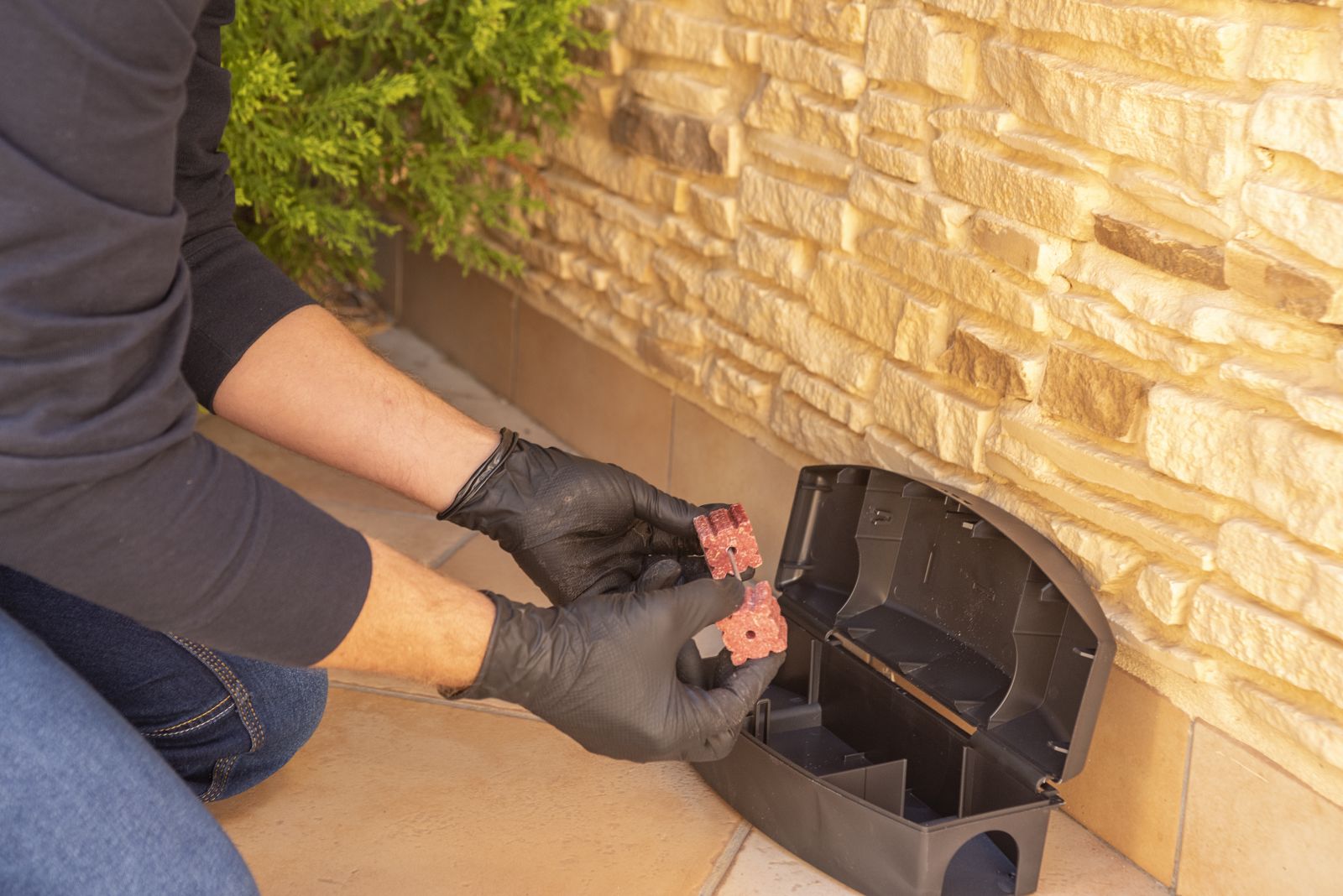
When a little prevention goes a long way
Many pest problems can be prevented with a few simple habits.
By storing food in sealed containers, fixing dripping taps, wiping down benchtops and keeping your floors clean, you can remove many of the things pests rely on to survive. Sealing gaps around doors, windows and pipes also helps stop them from getting inside in the first place.
Regular garden maintenance plays a role, too. Trimming vegetation away from the house, prioritising visibility, clearing leaf litter and keeping firewood off the ground all make your property less inviting to any creature that is not human.
For isolated issues, such as a few ants on the kitchen bench or the occasional spider web, these preventative measures are often all that’s needed.
When it’s time to call the experts
Sometimes, prevention isn’t enough.
If pests keep returning despite your best efforts, you’re seeing signs of structural damage or you’ve spotted termites or rodents, it’s time to bring in a qualified pest control professional. You know what they say: there’s no such thing as only one mouse.
A professional will be able to identify the source of the problem and recommend the most effective treatment, helping to prevent it from happening again.
Trying to tackle a larger infestation yourself can often delay the right solution and, in some (most) cases, make the problem worse. So, it’s best not to be a hero on this one.
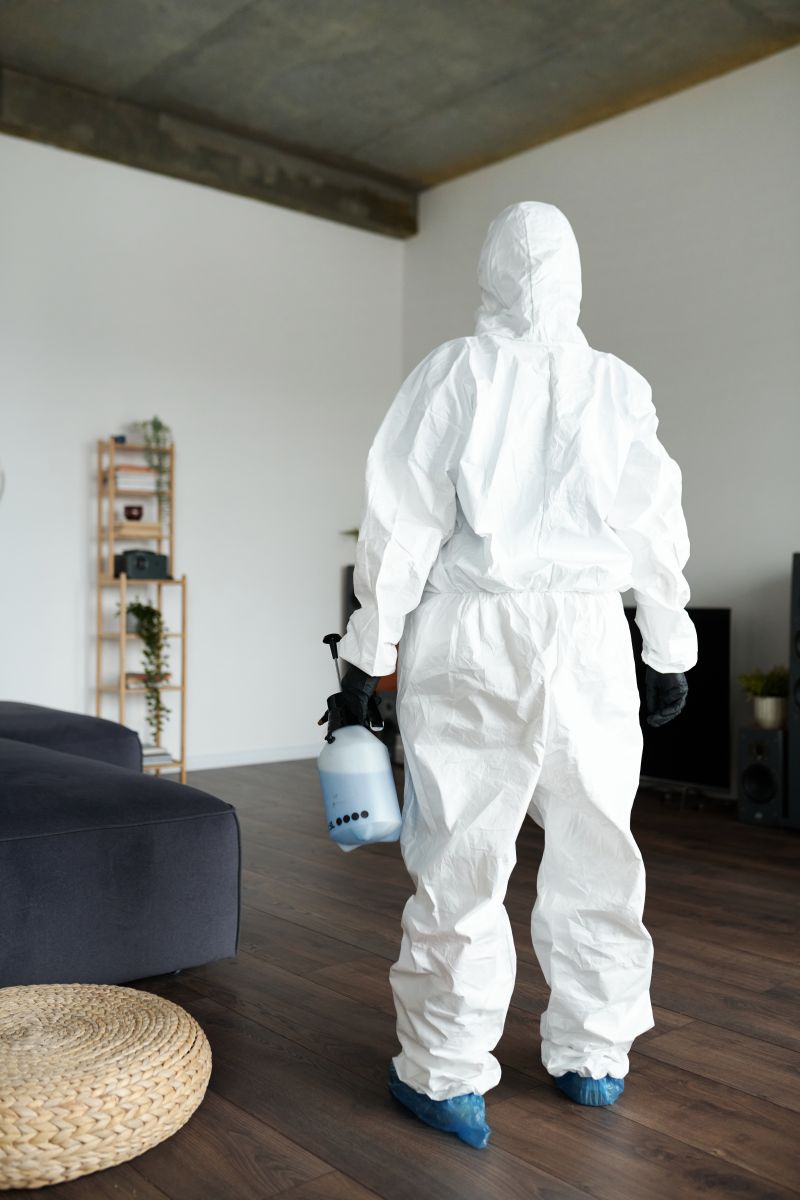
How to keep the indoors pest-free
Want to keep your space pest-free? Here are a few small habits that make a big difference:
- Wipe down kitchen benches after preparing meals.
- Store pantry items in airtight containers.
- Empty indoor rubbish bins regularly.
- Vacuum behind appliances and furniture.
- Fix leaking taps and pipes promptly.
- Seal cracks around doors, windows and utility entry points.
- Reduce clutter in garages and storage areas.
Setting up your first line of defence outside your home
A smart way to deal with pests is to stop them from even coming inside. Here are some of our top tips to help with that:
- Trim trees and shrubs away from the house.
- Clear leaves from gutters and around the home’s perimeter.
- Keep mulch and garden beds away from external walls where possible.
- Store firewood off the ground and away from the house.
- Remove standing water from pots and buckets.
- Inspect fences, decking and timber structures for signs of damage.
- Schedule regular termite inspections as part of your ongoing home maintenance.
.png)