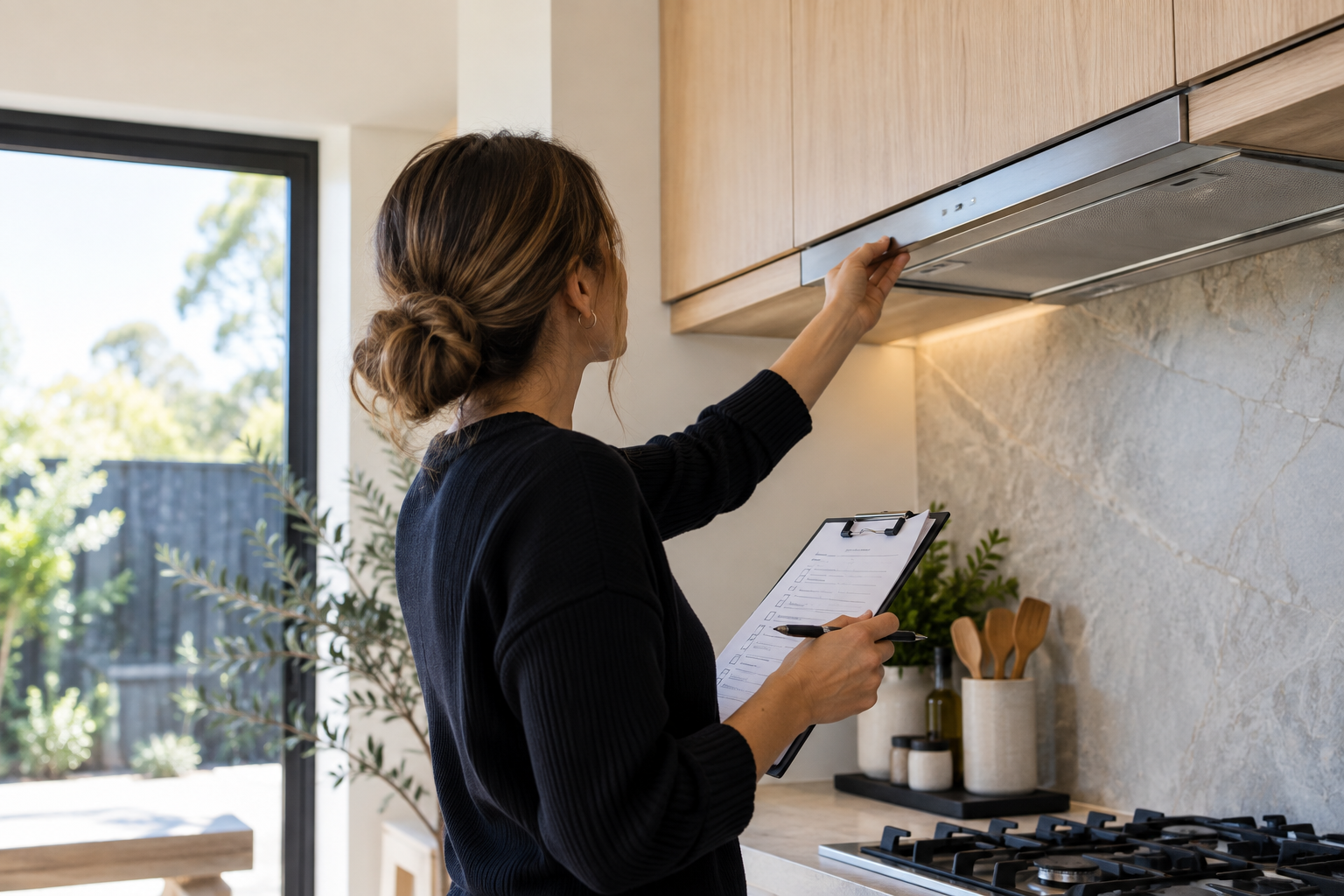
Look a little closer: 7 things to review in your investment property each year
When the rent’s flowing and maintenance is at a minimum, it might seem there’s no reason to review your investment property’s performance. But an annual health check can help you make smarter decisions about your investment’s future – while ensuring it remains the perfect place for your renters to call home. Here are the seven things worth taking stock of every year.

1. Keep a close eye on compliance
There’s no sugar-coating it: rental properties come with an ever-changing list of rules and responsibilities.
From strengthened bond claim laws to new energy efficiency standards, the Victorian Government is frequently implementing changes that require work, investment – or both.
This means proactive compliance planning needs to be an essential part of your annual review.
Start with the Consumer Affairs website for a full list of upcoming changes to rental laws. Then turn to your property manager, who can help you understand what’s relevant to your property – and when.

2. Check your property against the competition
Every time your property is relisted, your potential renters compare it against other available homes in the area. From storage to climate control to the kitchen’s condition, very little escapes a discerning eye.
So, how does your home stack up?
Ask your property manager which targeted improvements could help your home appeal to a wider pool of renters, while protecting the property’s value over time. Maybe it’s a fresh lick of paint. Maybe it’s a spot of landscaping around the deck.
Your agent sees what renters respond to every day, so they’re well placed to tell you which improvements are worth your money, and which you can safely skip.
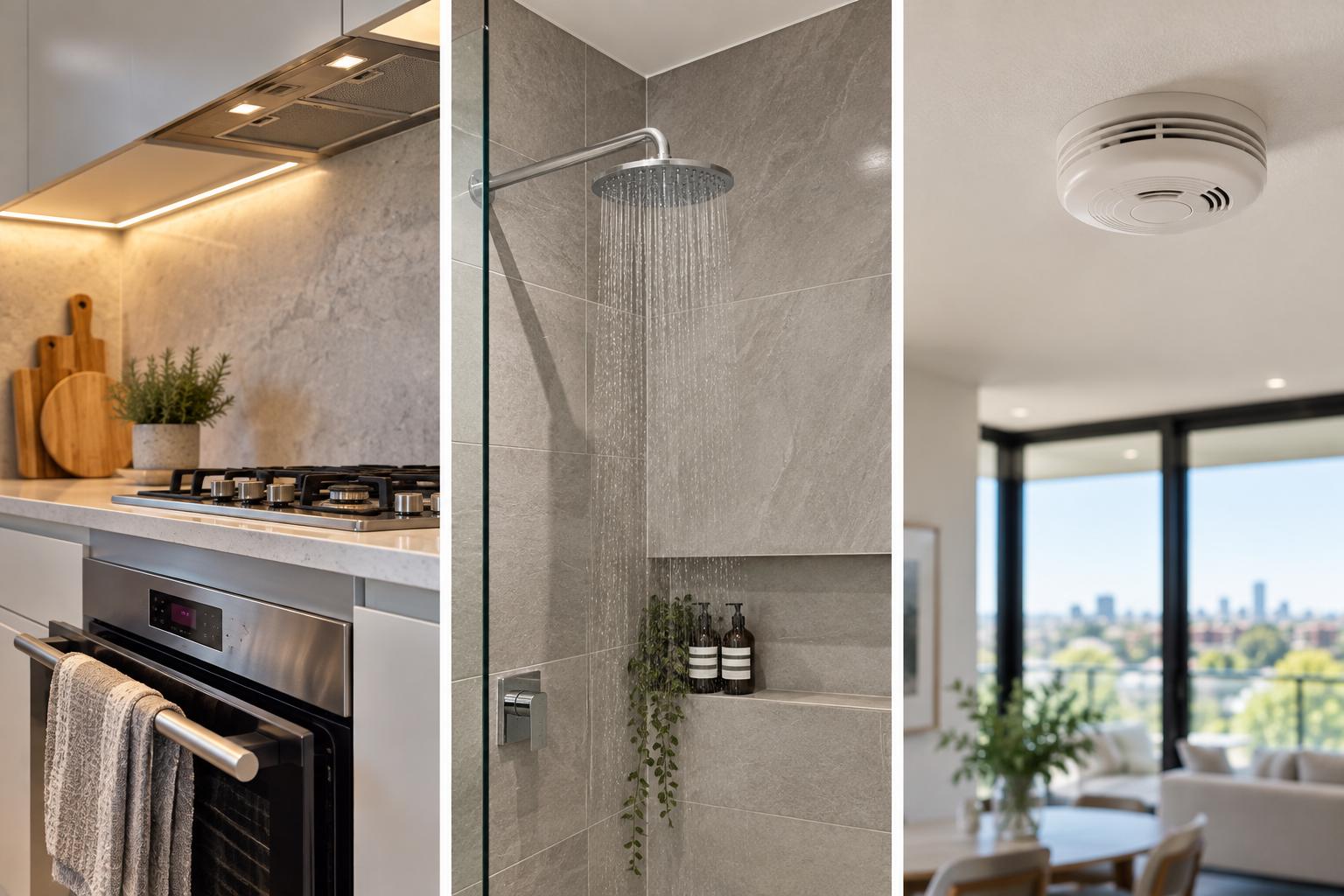
3. Know what’s nearing its use-by date
Your hot-water system is still working. The carpet is still plush. The heating and cooling haven’t missed a beat.
Great! But how much life do they have left?
Now’s your chance to assess the condition of your property’s bigger-ticket items – and get a clear sense of what might need your attention (and money) over the next three to five years.
That could mean planning for new gutters, fencing or an oven. After all, the fewer expenses that catch you by surprise, the better.
Enlist your property manager’s help here. Ask them what they’ve noticed during inspections, and what they expect could need attention sooner rather than later.
4. Look for patterns in renter turnover
A good renter is valuable. A good renter who wants to stay can be even more so.
So if you find yourself regularly looking for new renters, it might be time to ask why.
Repeated turnover could point to something about the property or the tenancy experience that’s making people reluctant to stay. And every new tenancy brings another round of advertising, inspections and time spent finding the right person.
Look back over the past few years and see if there’s a pattern. Your property manager can help you make sense of it – including what may be driving turnover and whether there’s anything worth changing.
5. Make sure the rent is right
There’s a number most investors understandably keep a close eye on: rental yield. Specifically, is your property’s rate still in line with the market?
Take a look at comparable homes in the area and what they’re currently fetching. You might find there’s room for an increase. Or you might find you’re right where you should be.
But don’t look at the weekly figure in isolation.
A great renter who pays on time, looks after your property and wants to stay is worth something, too. Sometimes, keeping them happy can make more sense than chasing every last dollar the market might offer.

6. Revisit your depreciation schedule
If you have a depreciation schedule for your investment property, when was the last time you looked at it?
Because your property may have changed since it was prepared.
Those changes could affect what you’re able to claim at tax time – which means your existing depreciation schedule may no longer tell the full story.
So, make your annual property review a prompt to revisit it. If you’ve made changes to the property, speak to a qualified quantity surveyor and your accountant about whether your schedule needs updating.
After all, if you’ve invested money into improving your property, it’s worth understanding whether those improvements could be working a little harder for you.

7. Ask whether the property still fits your bigger investment plan
It’s easy to judge an investment property by what happened over the last 12 months.
But what about the next five years? Or ten?
Maybe you’re happy to hold onto it for the long haul. Maybe there’s scope to renovate or improve it. Or perhaps you’re starting to wonder whether your money could be better spent elsewhere.
You don’t need to make a big decision every year. But it’s worth asking big questions.
Your property manager can give you valuable insight into the property and rental market – while your financial adviser or accountant can help you consider the full financial picture.
Sometimes, the most useful part of an annual review is confirming you’re still happy with where you’re heading.