The devil’s in the details: What you should look for in a floor plan
A good floor plan can be surprisingly persuasive. With every clean line and carefully labelled space, it’s easy to start imagining the future that will be built after the home. But while it’s easy to get swept up in the dream, a floor plan must be read with a practical eye too. It can tell you a great deal about how your future home will live day to day – but only if you know where to look.
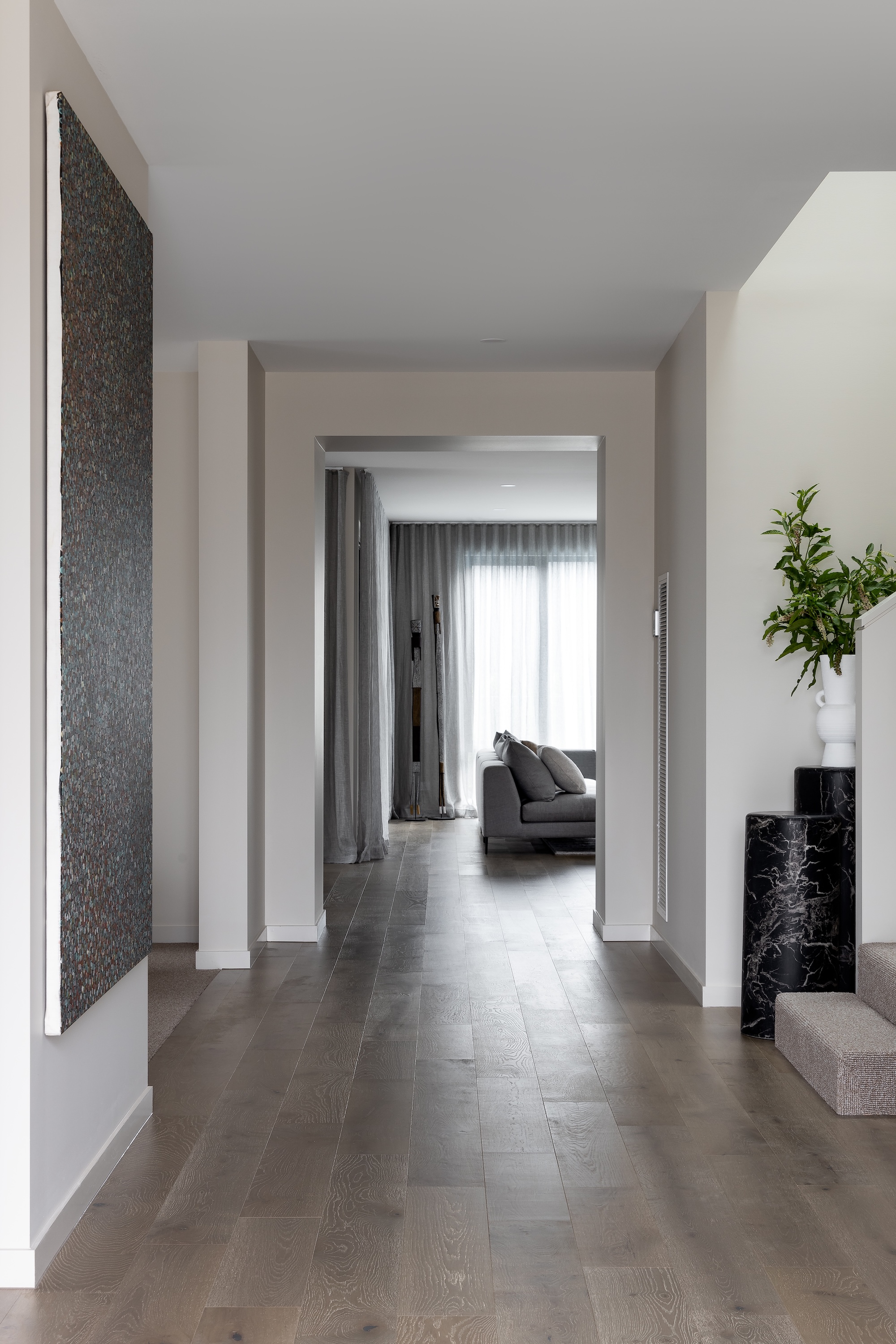
Face the right way
The way a home is oriented can have a big impact on how it feels to live in.
Orientation influences everything from natural light and temperature to how you use your space throughout the day. That’s why it should be high on your list when reviewing a floor plan.
When it’s well considered, orientation can make a home more comfortable year-round and reduce your reliance on heating and cooling – a major advantage in Melbourne.
Here’s a quick guide to what each orientation offers:
- North-facing homes deliver consistent natural light throughout the day and welcome winter sunshine during the colder months.
- East-facing homes capture gentle morning light, making them ideal for early risers and those who prefer cooler afternoons.
- West-facing homes soak up warm afternoon and evening sun, which is a big plus for those who like to entertain.
- South-facing homes receive softer, indirect sunlight and often maintain a naturally cooler feel throughout the year.
The best thing about orientation is that everyone has their perfect match depending on their lifestyle. So, think about how you like to use your home, and find an orientation that supports that.
Think about flow
Flow is one of those things you don’t notice until it’s missing.
The right layouts create a natural synergy between living zones. High-traffic areas like the kitchen, dining and living room should link seamlessly. No one wants to navigate an obstacle course to get from the kitchen to the couch.
At the same time, a little separation between living and sleeping zones can go a long way – particularly when your partner’s unpacking the dishwasher at 6 am.
Indoor-outdoor connection is also an important factor. Whether it’s a balcony extending directly from the living room or large windows framing sweeping views, a strong connection to the outdoors can freshen a home considerably.
And finally, don’t overlook privacy. Think about how sound might travel through the space and where eyelines end.
A beautiful home loses its charm quickly when everyone can hear – and see – everything.
Find somewhere to store your stuff
Few things impact liveability more than a lack of storage.
So, when reviewing a floor plan, you need to look beyond the built-in wardrobes in the bedroom and consider how storage has been incorporated throughout the rest of the home.
Is there a linen cupboard? Enough pantry space? Built-in cabinetry in the laundry? Somewhere to store bulkier items like holiday decorations and those boogie boards the kids never use?
The best floor plans integrate storage naturally into the design, rather than treating it as an afterthought. Full-height cupboards, under-stair spaces and cages in the garage can go a long way to how practical your home feels.
‘We have too much storage!’ – said no one, ever.
Map out your furniture
A home might look spacious on paper, but the real question is whether your furniture will fit easily and work aesthetically.
When looking at a floor plan, try to visualise how you would actually live in the home.
If you have a corner desk and a curved wall, you might struggle to make it work. Similarly, if your bedroom is a hexagonal shape, a clean, straight line between your bed and bedside tables might be harder to achieve.
Awkward furniture placement has sparked many household debates. So skip the flat-pack-induced conflict, measure your existing furniture (or the furniture you’re considering buying) and map it out to scale against the floor plan.
A simple sketch can quickly reveal whether the space will feel functional, oversized or tight.
Think long term
Good floor plans know how to keep up with busy lives.
A second bedroom might start as a home office before becoming a nursery or guestroom down the track. And features like additional storage, wider walkways or a ground-floor bedroom often become more valuable over time than you might initially expect.
It’s also worth thinking about a property’s long-term potential. While finishes can usually be updated later, changing the bones of a home is harder and more expensive. Choosing a floor plan with strong fundamentals – good flow, natural light and adaptable spaces – can give you far greater flexibility later.
That could also mean considering renovation potential. Could outdoor areas be better integrated with indoor living spaces? Is there scope to add custom joinery, landscaping or additional functionality over time?
The world’s your oyster, and the best floor plans give you the space to explore it.